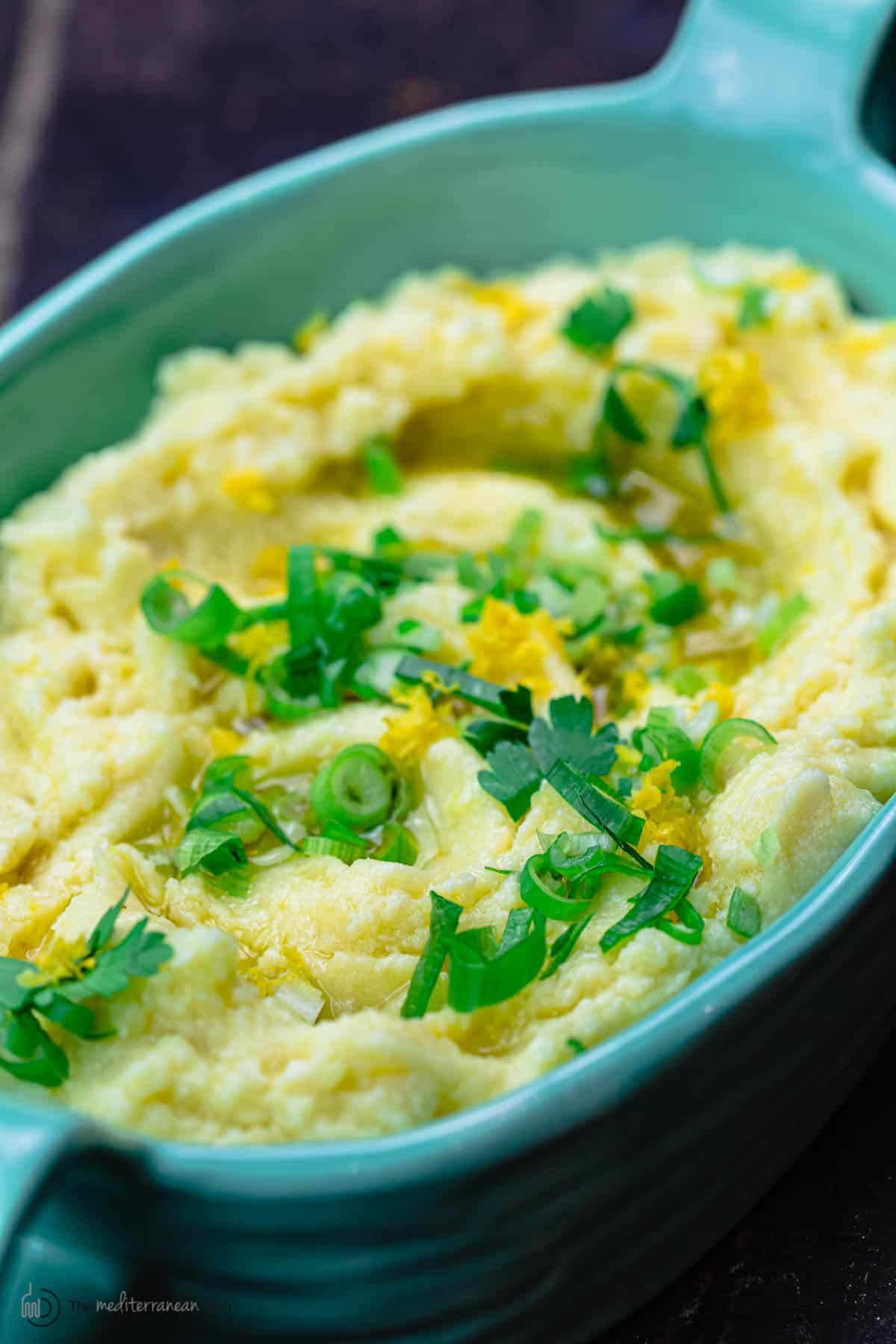
Mastering Traditional Skordalia: A Guide to Creamy Greek Garlic Dip
Skordalia, the quintessential Greek garlic dip, is a culinary marvel that commands attention with its bold, pungent flavor and irresistibly creamy texture. More than just a dip, it's a testament to the power of simple ingredients transformed into something extraordinary. This traditional meze holds a revered place in Greek cuisine, celebrated for its versatility, ancient roots, and wholesome appeal. If you've ever savored its garlicky embrace, you know it's not just food – it's an experience. This comprehensive guide will take you on a journey through the heart of skordalia, from its historical origins to the masterful techniques for crafting the perfect batch in your own kitchen.
A Journey Through Time: The Ancient Roots and Evolution of Skordalia
The story of skordalia is as rich and layered as its flavor, tracing its lineage back to the sun-drenched landscapes of ancient Greece. Long before potatoes graced European tables, a precursor to skordalia, known as *skorothalmi*, was a staple. Described in classical texts as a thick concoction of bread soaked in liquid and pounded with garlic, this pungent paste served as a robust accompaniment to fish and vegetables. It was a humble yet powerful staple, reflecting garlic's enduring role in ancient Greek diet as both a flavor enhancer and a preservative.
The very name *skordalia* (σκορδαλιά) is a linguistic fusion, deriving from the Greek word *skordo* (σκόρδο), meaning "garlic," combined with the Italian *agliata* (garlicky). This fascinating etymological blend not only underscores garlic's undisputed centrality to the dish but also highlights the vibrant tapestry of Mediterranean linguistic and culinary exchanges that have shaped the region's food heritage. For a deeper dive into its historical significance, you might enjoy
Discover Skordalia: The Pungent Greek Garlic Dip with Ancient Roots.
The most significant evolution in skordalia's history arrived with the introduction of potatoes to Europe from the Americas in the 16th century. While earlier versions relied solely on bread or nuts as the starchy base, potatoes gradually gained prominence, transforming skordalia into the fluffy, creamy dip many recognize today. This shift was a game-changer, lending the dip a unique texture and a new dimension of flavor, making the potato-based version the most common in modern Greek kitchens.
The Art of Crafting Creamy Skordalia: Techniques and Tips
Achieving the perfect skordalia is a delicate balance of technique, patience, and high-quality ingredients. The core components remain consistent: plenty of fresh garlic, a starchy base, good olive oil, and an acid like lemon juice or vinegar. However, the method of combining them is what truly distinguishes a good skordalia from a sublime one.
Choosing Your Base: Potatoes, Bread, or Nuts?
Traditionally, skordalia can be made with various starchy bases, each imparting a distinct character:
* **Boiled and mashed potatoes:** This is the most popular modern choice, lending the dip a light, fluffy, and incredibly creamy texture. Opt for starchy potatoes like Russets or Yukon Golds for the best results.
* **Soaked stale bread:** The ancient method. Stale bread, typically crustless white bread, is soaked in water or milk, squeezed dry, and then incorporated. This base results in a denser, richer skordalia with a more pronounced bread flavor.
* **Ground nuts (walnuts or almonds):** Often used independently or in combination with other bases, nuts add a delightful richness, a subtle earthy flavor, and a slightly coarser texture. If using nuts, ensure they are finely ground to avoid a gritty consistency. Walnuts are particularly favored in Northern Greek variations for their robust flavor profile.
The Emulsification Secret: Building Structure for Supreme Creaminess
The secret to a stable, smooth, and creamy skordalia lies in proper emulsification. Many traditionalists, especially in Northern Greece, advocate for a specific technique to ensure the dip holds its shape and flavor without separating:
1. **Garlic Paste First:** Start by crushing fresh garlic cloves into a smooth, pungent paste. This is the flavor backbone, so don't skimp! A mortar and pestle or a food processor with a strong blade works best.
2. **Building the Emulsion (The Kastra Method):** This is where technique truly shines. Instead of adding all ingredients at once, begin by creating a stable emulsion with a portion of the olive oil and acid (lemon juice or vinegar) and the garlic paste. Gradually drizzle in the olive oil while continuously blending or whisking. This creates a thick, mayonnaise-like base that will anchor your dip. This step is crucial for preventing oil separation later and ensuring a consistently smooth texture.
3. **Gradually Incorporating the Base:** Once your emulsion is stable, slowly add your chosen starchy base (mashed potatoes, squeezed bread, or ground nuts). If using potatoes, ensure they are thoroughly mashed with no lumps and cooled slightly. For bread, ensure it's well-squeezed to remove excess liquid.
4. **Controlling Hydration:** Add small amounts of liquid (often water or a little more lemon juice/vinegar) as needed to achieve your desired consistency. Be careful not to over-hydrate, or your skordalia could become thin and lose its body.
5. **Seasoning and Finishing:** Taste and adjust seasoning with salt and pepper. If incorporating walnuts or almonds, fold them in at the end. This preserves their texture and prevents them from becoming too oily or pasty within the emulsion. The result is a skordalia that is not only smooth and stable but also bursting with balanced flavor.
**Chef's Tip:** Use high-quality extra virgin olive oil. Its flavor is integral to the final dish. Also, don't be afraid to experiment with the type of acid – red wine vinegar offers a tangier, bolder kick compared to the brighter zest of lemon juice.
Serving Skordalia: A Meze Star and Culinary Companion
Skordalia is almost always served cold as a *meze* (appetizer) in Greek dining, making it a refreshing counterpoint to richer dishes. Its robust flavor makes it an ideal partner for a variety of foods:
* **Fried Seafood and Vegetables:** This is arguably skordalia's most iconic pairing. The creamy, acidic dip cuts beautifully through the richness of fried items. Think perfectly battered fried cod (*bakaliaros*), crispy fried eggplant slices, delicate zucchini fritters, or earthy roasted beets.
* **Grilled Meats and Fish:** A dollop of skordalia alongside grilled lamb chops, chicken souvlaki, or a simple grilled fish elevates the meal with its vibrant kick.
* **Fresh Bread:** Serve it simply with crusty bread or pita for scooping. It's an undeniable crowd-pleaser.
* **Vegetable Platter:** A fantastic addition to any crudités platter, offering a flavor explosion that transforms raw vegetables.
Beyond its everyday appeal, skordalia plays a significant role in Greek culinary traditions, particularly during Lenten meals. Its inherently vegan-friendly composition (when made without dairy, which is typically the case) makes it a staple during periods of fasting, offering a flavorful and satisfying option. To explore this aspect further, delve into
Skordalia's Vegan Appeal: A Healthy Mediterranean Dip for Lent Meals.
More Than Just Flavor: The Health Benefits of Skordalia
While undeniably delicious, skordalia is also a surprisingly wholesome addition to a Mediterranean diet, thanks to the beneficial properties of its key ingredients:
* **Garlic:** Renowned for its potent antimicrobial, antiviral, and anti-inflammatory properties. Allicin, the compound responsible for garlic's distinctive aroma and many of its health benefits, is released when garlic is crushed or chopped.
* **Olive Oil:** A cornerstone of the Mediterranean diet, extra virgin olive oil is packed with heart-healthy monounsaturated fats and powerful antioxidants like polyphenols, which contribute to reduced inflammation and improved cardiovascular health.
* **Potatoes:** When used as a base, potatoes provide a good source of potassium, which is vital for blood pressure regulation, and vitamin C, an essential antioxidant.
These ingredients combine to create a dip that is not only a delight for the taste buds but also a source of nourishment, embodying the healthful principles of traditional Greek eating.
Regional Variations and Global Echoes
Across the diverse regions of Greece, subtle variations of skordalia exist, each reflecting local preferences and available ingredients. Some versions might incorporate red wine vinegar for a deeper, more pungent tang, while others might lean heavily on ground almonds for a richer texture and nutty undertone.
The influence of skordalia, or at least the concept of a garlic-centric, pounded sauce, extends beyond Greece's borders. The Sicilian *scurdalia*, a variant that also uses bread, potatoes, or almonds, mirrors its Greek counterpart, likely a remnant of ancient Hellenic colonization in Sicily. Similarly, the Catalan *picada*, a pounded mixture of garlic, nuts, and herbs, shares structural and flavor parallels, pointing to the widespread dissemination of such culinary techniques across the Mediterranean through trade and migration. This cross-cultural exchange underscores skordalia's status not just as a Greek dish, but as a vital thread in the broader tapestry of Mediterranean cuisine.
Embrace the Boldness of Skordalia
Skordalia is more than just a dip; it's a culinary legacy, a testament to the transformative power of simple, quality ingredients and time-honored techniques. Its bold garlic flavor, creamy texture, and versatile nature have cemented its place as a beloved staple in Greek homes and beyond. Whether you're a seasoned chef or a curious home cook, mastering the art of traditional skordalia is a rewarding endeavor that promises to bring a touch of authentic Greek zest to your table. So, gather your garlic, choose your base, and embark on the delicious journey of crafting this iconic Greek garlic dip. Your taste buds will thank you.