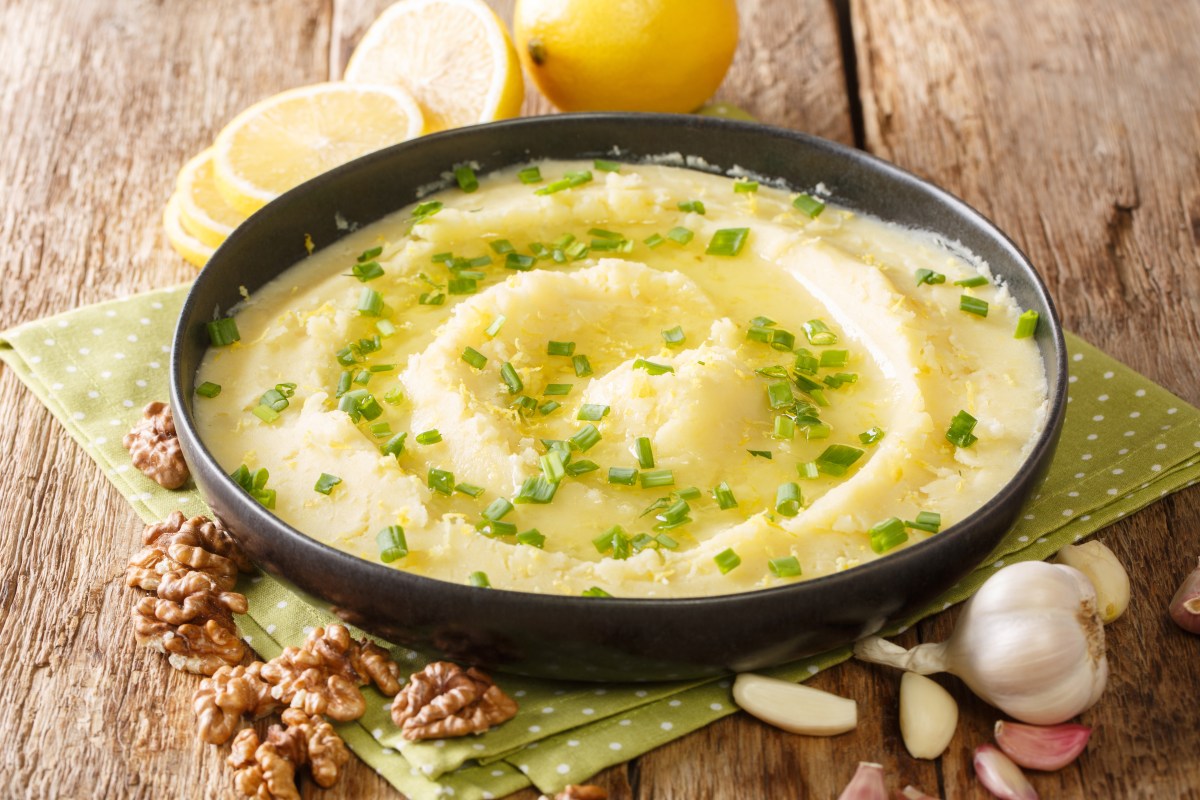
Discover Skordalia: The Pungent Greek Garlic Dip with Ancient Roots
Few dishes encapsulate the bold, vibrant spirit of Greek cuisine quite like Skordalia. This traditional Greek garlic dip, a symphony of pungent garlic, starchy richness, and zesty tang, is far more than just a condiment; it's a culinary legacy deeply woven into the fabric of Mediterranean history and dining. From its humble origins in ancient Greece to its cherished place on modern tables, Skordalia offers an unforgettable sensory experience that tantalizes the palate and nourishes the soul.
At its core, Skordalia is a velvety-smooth (or sometimes more rustic) dip crafted by meticulously crushing fresh garlic into a paste, which is then emulsified with a starchy base, usually boiled and mashed potatoes, soaked stale bread, or ground nuts like walnuts or almonds. A generous pour of Greek olive oil and a splash of lemon juice or vinegar complete the masterpiece, creating a creamy consistency with a distinctive kick. Whether served as a crucial meze (appetizer) or as the perfect accompaniment to fried delights, Skordalia stands out as a testament to the power of simple, yet potent, ingredients.
Skordalia's Ancient Lineage and Evolving Identity
The story of Skordalia stretches back through millennia, long before potatoes ever graced European soil. Its roots are firmly planted in ancient Greece, where a precursor known as
skorothalmi was a common fixture. Described in classical texts, skorothalmi was a thick, garlicky paste made by pounding bread soaked in liquid with garlic, serving as a robust sauce for fish and vegetables. This ancient preparation highlights garlic's enduring significance in Greek cuisine, valued not just for its flavor but also for its preservative qualities and perceived health benefits. The etymology of Skordalia itself provides a fascinating glimpse into Mediterranean linguistic exchanges. The name (Greek: σκορδαλιά) is a playful, pleonastic compound derived from the Greek word "skordo" (σκόρδο), meaning "garlic," combined with the Italian "agliata," which also signifies "garlicky." This linguistic blend emphatically underscores the dish's defining ingredient, essentially proclaiming "garlic, garlic!"
The introduction of potatoes to Europe from the Americas in the 16th century marked a pivotal moment in Skordalia's evolution. While ancient versions relied solely on bread or nuts, the potato soon became the most prevalent base in modern Greek kitchens, lending a uniquely creamy texture that has become synonymous with the dish today. Yet, the spirit of those older variations lives on, with recipes incorporating walnuts or almonds providing a richer, nuttier profile. This culinary migration and adaptation also reveal broader cross-cultural connections. Variations like the Sicilian
scurdalia, often made with bread, potatoes, or almonds, bear a striking resemblance to its Greek counterpart, suggesting ancient Hellenic influences stemming from Greek colonization. Similarly, the Catalan
picada, a pounded sauce of garlic, nuts, and herbs, shares structural and flavor parallels, pointing to a shared Mediterranean heritage of garlic-centric sauces.
The Art of Crafting Skordalia: Beyond Just Garlic
Creating an exceptional
traditional Skordalia is an art that demands technique, balance, and patience, extending far beyond merely crushing garlic. While the raw, pungent kick of garlic is central, the magic lies in how it harmonizes with the other components. The choice of starchy base dramatically influences the final texture and flavor profile.
*
Potato-Based Skordalia: This is arguably the most popular modern version, offering a wonderfully smooth and creamy texture. Boiled and mashed potatoes act as a neutral canvas, allowing the garlic and olive oil to shine, while providing a satisfying body to the dip.
*
Bread-Based Skordalia: Soaked stale bread yields a denser, more rustic dip. The bread absorbs the flavors deeply and creates a satisfying chewiness. This method is closer to the ancient skorothalmi.
*
Nut-Based Skordalia (Walnut or Almond): For a richer, more complex flavor, ground walnuts or almonds are excellent choices. These add a delightful earthiness and a slightly coarser texture, often preferred in Northern Greek traditions.
Master chefs often advocate for a specific technique to achieve that perfect creamy, stable emulsion. The key is to build a stable emulsion *before* fully incorporating the starchy base. This means carefully combining the crushed garlic, a portion of the olive oil, and the acid (lemon juice or vinegar) first, creating a robust foundation. Then, the chosen starch is gradually introduced. When using potatoes, ensure they are perfectly mashed and cooled to prevent a gummy texture. For bread, wring it out thoroughly to control hydration. Adding ground nuts, especially walnuts, towards the end of the process helps preserve their texture and prevents the oil from separating, ensuring the dip holds its shape and delivers a clean, balanced flavor. High-quality extra virgin olive oil is non-negotiable, contributing its fruity notes and critical monounsaturated fats. The acid, whether fresh lemon juice or good quality vinegar (sometimes red wine vinegar for extra tang), brightens the flavors and helps cut through the richness.
For those eager to master this culinary gem, remember that balance is everything. Adjust the garlic to your preference – some prefer a milder flavor, while others crave an intense punch. Taste as you go, refining the seasoning until it sings.
Serving Skordalia: A Versatile Mediterranean Staple
Skordalia is most commonly served cold as a quintessential Greek meze, a small dish designed to be shared and savored. Its bold flavor profile makes it an ideal counterpoint to rich, fried foods, which is why its pairing with battered and fried cod (
bakaliaros) is legendary, particularly during Greek Independence Day celebrations. The sharp, garlicky tang of Skordalia cuts through the richness of the fried fish, creating a harmonious balance that is truly addictive.
Beyond fried cod, Skordalia shines alongside a variety of other fried vegetables such as crispy eggplant, zucchini, and roasted or boiled beets. The earthy sweetness of beets, in particular, finds a delightful companion in the piquant dip. But its versatility extends far beyond these traditional pairings. Consider serving Skordalia as:
* A vibrant dip for raw vegetables like cucumber sticks, bell peppers, or carrot batons.
* A spread for crusty bread or pita bread, perhaps topped with a sprinkle of fresh parsley or paprika.
* An accompaniment to grilled meats or fish, adding a burst of flavor.
* A daring twist on a potato salad dressing.
Notably, Skordalia plays a central and revered role in Lenten meals. Its naturally vegan composition, free from dairy and meat products, makes it an ideal and nourishing staple during periods of fasting. This characteristic highlights its enduring place in Greek Orthodox tradition, offering a satisfying and flavorful option when animal products are abstained from. For more insights into its fasting-friendly nature, explore
Skordalia's Vegan Appeal: A Healthy Mediterranean Dip for Lent Meals. Regional variations across Greece might introduce subtle differences in serving; for example, some islands might pair it with specific local seafood, while mainland regions might have unique vegetable accompaniments.
Nutritional Powerhouse in a Dip
Beyond its incredible flavor and rich history, Skordalia offers a surprising array of health benefits, firmly cementing its place within the highly acclaimed Mediterranean diet. Each core ingredient contributes to its nutritional value:
*
Garlic: The star of the show, garlic is renowned for its potent antimicrobial, antiviral, and antifungal properties, largely due to compounds like allicin. It's also a source of antioxidants and can contribute to cardiovascular health.
*
Olive Oil: A cornerstone of Mediterranean eating, extra virgin olive oil is packed with heart-healthy monounsaturated fats, which are known to help reduce bad cholesterol levels and provide anti-inflammatory benefits.
*
Potatoes: When used as the base, potatoes provide a good source of potassium (important for blood pressure regulation) and Vitamin C, along with dietary fiber.
*
Nuts (Walnuts/Almonds): Incorporating ground nuts adds healthy fats, protein, and dietary fiber, as well as minerals like magnesium and vitamin E, further boosting the dip's nutritional profile.
When enjoyed as part of a balanced diet, Skordalia offers a flavorful yet wholesome addition, embodying the principle that delicious food can also be incredibly good for you.
Savoring the Legacy of Skordalia
Skordalia is more than just a dip; it's a culinary journey through Greek history, a celebration of bold flavors, and a testament to the versatility of simple ingredients. From its ancient origins as
skorothalmi to its modern incarnation as a creamy potato-based delight, this pungent garlic dip continues to captivate diners with its unique character. Whether you're savoring it with traditional fried cod, dipping fresh vegetables, or enjoying it as a significant part of a Lenten meal, Skordalia offers a taste of Greece that is both deeply satisfying and endlessly intriguing. Embrace its boldness, appreciate its heritage, and discover why this garlic-infused treasure remains a beloved staple in Greek cuisine.