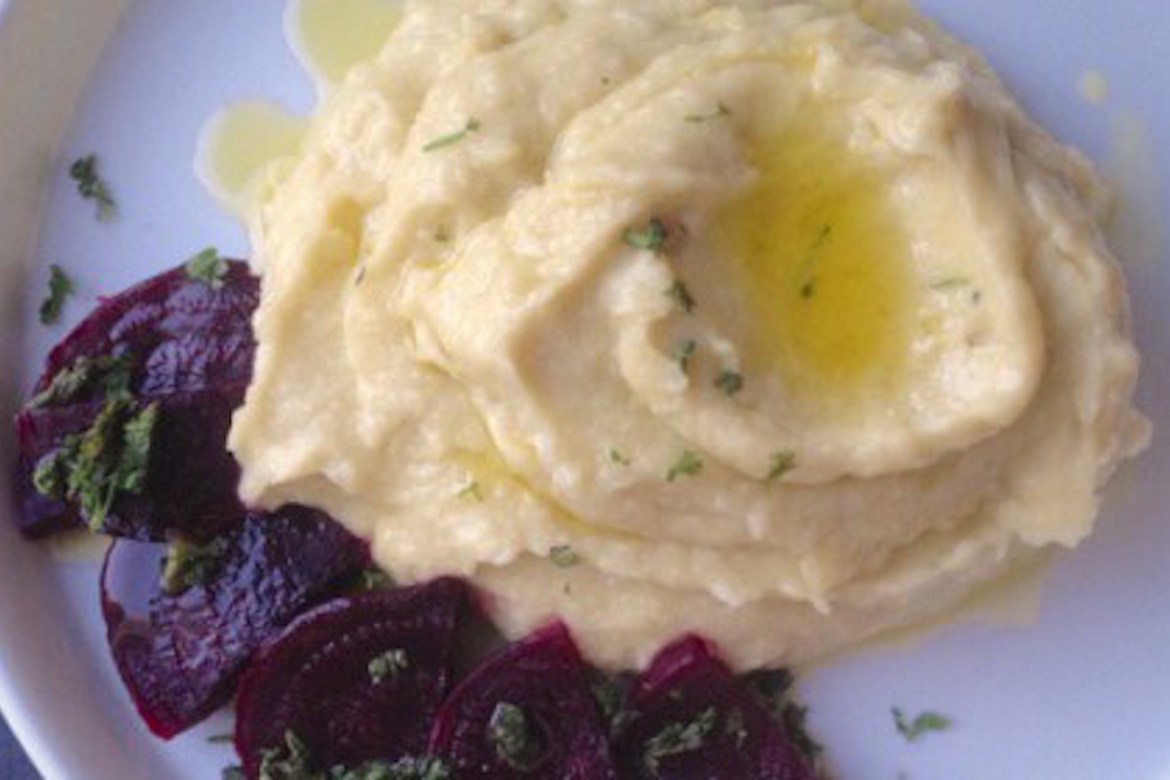
Skordalia's Vegan Appeal: A Healthy Mediterranean Dip for Lent Meals
In the vibrant tapestry of Greek cuisine, few dishes captivate with such a bold declaration of flavor as skordalia. This legendary garlic dip, revered for its pungent aroma and silky texture, is far more than just an appetizer; it's a culinary cornerstone, a historical echo, and a testament to the Mediterranean diet's inherent wisdom. As we delve into the world of skordalia, its naturally vegan composition emerges as a particularly compelling feature, making it an indispensable and deeply satisfying choice for Lenten meals and a healthy addition to any table.
Often served as a refreshing cold meze, skordalia's robust character perfectly complements a variety of dishes, cutting through richness and awakening the palate. Its allure lies not only in its unforgettable taste but also in its surprising versatility and the wholesome goodness packed into every spoonful. For those observing Lent or simply seeking nutritious plant-based options, this traditional Greek garlic dip offers a delightful solution that is both incredibly flavorful and rich in health benefits.
A Journey Through Time: The Ancient Roots and Evolution of Skordalia
The story of skordalia is deeply intertwined with the culinary history of Greece itself, tracing its lineage back to ancient times. Long before potatoes became a staple in European diets – a New World introduction in the 16th century – the Greeks were already crafting a precursor to this beloved dip. Early versions relied on readily available ingredients like soaked stale bread or finely ground nuts such as walnuts or almonds as their starchy base.
Indeed, ancient Greek texts reference a dish known as skorothalmi, described as a thick, emulsified mixture of bread pounded with garlic, often served as a pungent sauce alongside fish and vegetables. This preparation highlights garlic's longstanding role in Greek cuisine, celebrated not just for its intense flavor but also for its preservative qualities.
The very name skordalia (Greek: σκορδαλιά) is a fascinating linguistic blend, derived from the Greek word skordo (σκόρδο), meaning "garlic," combined with the Italian agliata (garlicky). This "garlic-garlicky" pleonastic compound beautifully emphasizes the dish's defining ingredient, reflecting centuries of Mediterranean linguistic and cultural exchange. Such etymological connections are not isolated; the Sicilian scurdalia, a similar garlic dip using bread, potatoes, or almonds, and the Catalan picada, a pounded sauce of garlic, nuts, and herbs, all suggest a shared culinary heritage and the dissemination of garlic-centric preparations across the Mediterranean via trade and migration. To learn more about its fascinating past, you might enjoy Discover Skordalia: The Pungent Greek Garlic Dip with Ancient Roots.
Over time, as potatoes gained popularity, the potato-based version of skordalia became the most common in modern Greek cuisine, prized for its exceptionally smooth and creamy consistency. Yet, the traditional methods using bread or nuts endure, offering delightful variations for those who appreciate their unique textures and nuances.
Crafting the Perfect Skordalia: A Culinary Art Form
At its heart, skordalia is a symphony of simple, yet potent, ingredients. The core components include a generous amount of fresh garlic, a starchy base, high-quality olive oil, and an acid to brighten the flavors and aid in emulsification. However, achieving that perfect, stable, and wonderfully creamy texture requires a blend of technique, balance, and patience.
The Starchy Base: Options and Textures
- Potatoes: Boiled and mashed potatoes offer the creamiest, most familiar version of skordalia. They provide a neutral canvas that allows the garlic to truly shine.
- Soaked Stale Bread: A more traditional and often lighter base, stale bread (usually crusts removed) is soaked in water or sometimes milk (though water keeps it strictly vegan) and squeezed dry before being incorporated. This yields a slightly coarser, yet equally delicious, texture.
- Nuts (Walnuts or Almonds): Ground nuts lend a richer, nuttier flavor profile and a distinct texture. Walnuts, in particular, are a popular choice in Northern Greece, contributing a beautiful depth and sometimes a slightly more rustic feel. When working with nuts, adding them at the end, as some traditional methods suggest, helps preserve their texture and prevents the oil from separating, ensuring a stable and creamy dip.
The Art of Emulsification
Regardless of the base, the key to a sublime skordalia lies in the careful emulsification process. Crushed garlic is gradually combined with the chosen starchy base, then slowly blended with olive oil and an acidic component like lemon juice or vinegar (red wine vinegar is a popular choice for added tanginess). This slow addition and continuous mixing (traditionally by hand with a mortar and pestle, or more commonly today with a food processor or immersion blender) transforms the ingredients into a smooth, stable, and cohesive dip. The balance between garlic's pungency, the richness of olive oil, and the sharpness of the acid is paramount. Too much garlic can overwhelm, too little oil can make it dry, and insufficient acid can leave it flat. For a deeper dive into the precise techniques for achieving that perfect consistency, you might find Mastering Traditional Skordalia: A Guide to Creamy Greek Garlic Dip incredibly useful.
Beyond Flavor: The Healthy Side of Skordalia
While skordalia is undoubtedly a treat for the taste buds, it also boasts a impressive array of health benefits, firmly aligning with the principles of the renowned Mediterranean diet. Its ingredients are a powerhouse of nutrition:
- Garlic: The star of the show, garlic is celebrated for its potent medicinal properties. Rich in allicin, it offers significant antimicrobial, antiviral, and antioxidant benefits. Regular consumption of garlic has been linked to improved cardiovascular health and immune system support.
- Olive Oil: A cornerstone of Greek cuisine, extra virgin olive oil is packed with heart-healthy monounsaturated fats and powerful antioxidants. It helps reduce inflammation, protects against heart disease, and contributes to overall well-being.
- Potatoes (if used): While sometimes maligned, potatoes are a good source of complex carbohydrates, potassium (essential for blood pressure regulation), and Vitamin C. When prepared simply, as in skordalia, they offer sustained energy without added fats.
- Nuts (if used): Walnuts and almonds contribute healthy fats, protein, fiber, and various micronutrients like Vitamin E and magnesium, further boosting the dip's nutritional profile.
The naturally vegan composition of skordalia, free from dairy or animal products, makes it an exceptionally wholesome choice for anyone, especially those following a plant-based diet or observing dietary restrictions during Lent. It offers a flavorful way to incorporate beneficial ingredients into your diet without compromising on taste or satisfaction.
Serving Skordalia: A Lenten Staple and Versatile Meze
Traditionally, skordalia is served cold as a meze, often accompanying fried dishes that benefit from its sharp, invigorating contrast. Its most classic pairing during Lenten meals is with fried battered cod (bakaliaros), a customary dish on Greek Independence Day (March 25th), which often falls within the Lenten period. Beyond fish, it's also famously served alongside fried eggplant, zucchini, or beets, transforming simple vegetables into extraordinary bites.
During Lent, when many Orthodox Christians abstain from meat, dairy, and sometimes oil, skordalia made without oil (or with minimal oil) and a bread or potato base becomes an invaluable part of the diet. It provides essential nutrients, satisfying flavor, and a sense of indulgence during a period of fasting. Its rich, creamy texture and powerful taste make it a fulfilling option when other food choices are limited.
Beyond tradition, skordalia is incredibly versatile. It makes an excellent dip for raw vegetables (crudités), a pungent spread for sandwiches or wraps, or a zesty accompaniment to grilled vegetables, pulses, or even roasted potatoes. Its ability to elevate simple ingredients makes it a culinary secret weapon for healthy, flavor-packed meals.
Embrace the Bold Flavor of Skordalia
From its ancient origins as skorothalmi to its modern-day status as a beloved Greek classic, skordalia continues to charm palates worldwide. Its naturally vegan profile, robust health benefits, and incredible versatility make it an ideal choice for Lenten meals and a must-try for anyone exploring the rich flavors of the Mediterranean. Whether you prefer the creamy potato version, the rustic bread-based dip, or the rich, nutty notes of a walnut-infused skordalia, this garlicky gem promises a culinary experience that is both deeply satisfying and wonderfully wholesome. So, embrace the bold, explore the ancient, and let skordalia become a cherished part of your healthy eating journey.
